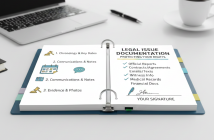
Introduction
Calling a lawyer is often the right move—but calling unprepared is expensive. Many people book consultations while emotions are high, facts are scattered, and timelines are fuzzy. The result? Longer meetings, vague advice, and higher bills.
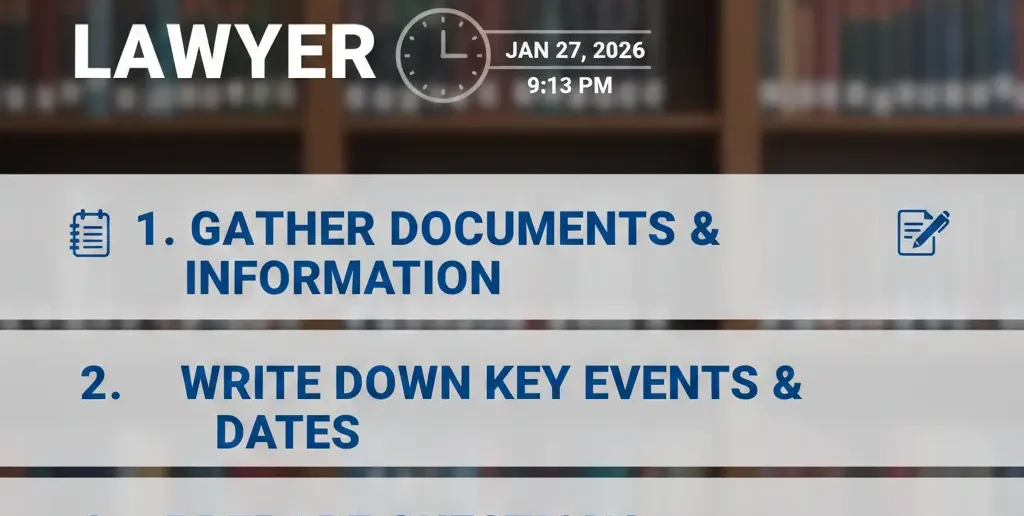
This guide explains what to do before contacting a lawyer so you get clear answers faster. You’ll learn how to sort facts from feelings, assemble the right documents, define outcomes, and avoid mistakes that weaken your position. The insight most guides miss: lawyers are problem-solvers, not mind-readers—the clearer your input, the better the advice.
Step 1: Clarify the problem (facts, not feelings)
Separate facts from opinions
Write a short, neutral summary:
- Who is involved
- What happened
- When it happened
- Where it happened
- How it affected you
Avoid conclusions like “they’re lying.” Stick to verifiable events.
[Expert Warning] Emotional narratives slow legal analysis and increase costs.
Step 2: Build a clean timeline
Dates matter more than details
Create a simple timeline with:
- key dates and deadlines
- notices sent or received
- payments made
- incidents or communications
Judges and lawyers think chronologically; help them get there fast.
Step 3: Gather documents (don’t overdo it)
Bring the right materials
Prioritize:
- contracts, leases, agreements
- emails, letters, notices
- receipts, invoices, bank records
- photos or videos (original files)
Label files clearly and keep originals untouched.
Table: Documents to prepare by situation
| Situation | High-value documents | Nice-to-have |
| Work dispute | Contract, policies, emails | Pay stubs |
| Housing issue | Lease, notices, photos | Repair requests |
| Consumer issue | Receipts, terms, emails | Screenshots |
| Family matter | Orders, messages | Calendars |
| Small claims | Invoices, proof of payment | Witness notes |
Step 4: Define your goal (and your limits)
Know what “success” looks like
Ask yourself:
- Do I want money, a fix, or closure?
- What outcome is acceptable?
- What’s my time and budget limit?
Clear goals help lawyers recommend the right strategy—not the biggest one.
Step 5: Check deadlines before you call
Don’t miss limitation periods
Some rights expire quickly. Note:
- filing deadlines
- notice requirements
- appeal windows
If a deadline is close, say so upfront.
[Pro-Tip] Opening with “I have a deadline on ___” changes the advice you get.
Information Gain (SERP gap): preparation reduces legal spend
Most articles say “bring documents.” The real savings come from pre-decisions.
Counter-intuitive insight:
Clients who define goals and constraints before the call often get narrower, cheaper strategies—and better outcomes.
Unique section: Beginner mistake most people make
Beginner mistake — asking the wrong first question
Starting with “Can I win?” isn’t helpful.
Better questions:
- “What are my options?”
- “What evidence matters most?”
- “What’s the fastest reasonable path?”
Step 6: Write a one-page brief
Your consultation cheat sheet
Include:
- 5–7 bullet facts
- your goal
- deadlines
- documents list
- questions
This keeps the meeting focused and efficient.
[Money-Saving Recommendation] A one-page brief can save hours of billed time.
What not to do before contacting a lawyer
Avoid these pitfalls
- Don’t contact the other side impulsively
- Don’t delete messages or files
- Don’t post details publicly
- Don’t exaggerate or hide bad facts
Lawyers need the whole picture to protect you.
Natural transition
People often start with legal information tools or rights checkers to understand options, then contact a lawyer with targeted questions. This sequence keeps consultations focused and affordable.
FAQs
- Do I need documents before contacting a lawyer?
Not all, but key records help get accurate advice. - Should I write down my story first?
Yes—focus on facts and dates. - What if I don’t know my goal yet?
List acceptable outcomes and constraints. - Can preparation reduce legal fees?
Often significantly. - Should I contact the other party first?
Usually no—get advice before acting. - What if there’s an urgent deadline?
Tell the lawyer immediately.
Conclusion
Knowing what to do before contacting a lawyer turns a stressful call into a strategic conversation. When you organize facts, documents, goals, and deadlines first, you get clearer advice, spend less, and keep control of your options. Preparation isn’t legal work—it’s leverage.
Internal link
How to Assert Your Legal Rights Without Retaliation