Introduction
Many people know they have rights—but stay silent because they fear backlash. That fear isn’t irrational. Retaliation does happen, especially when rights are asserted angrily, publicly, or without a record. The good news is that most retaliation cases start with avoidable mistakes, not bad law.
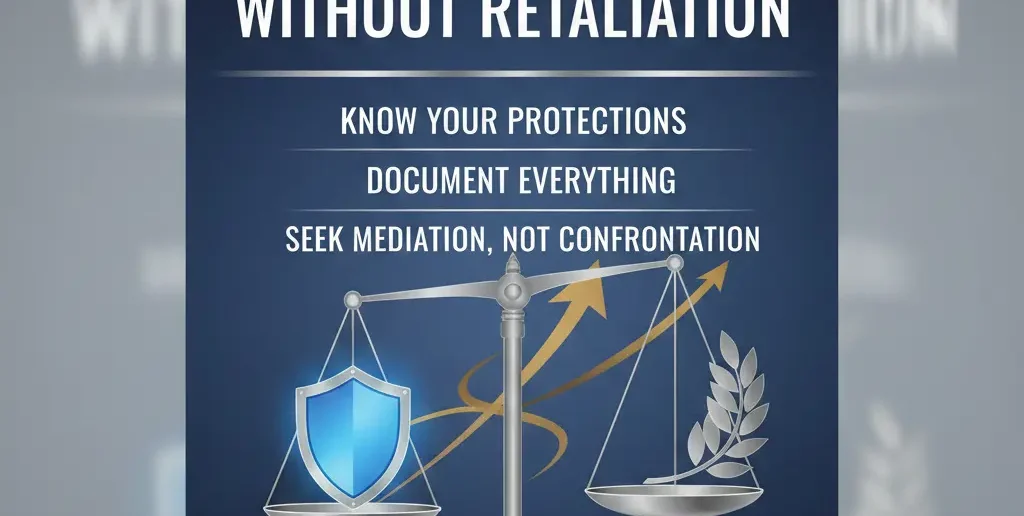
This guide explains how to assert your legal rights without retaliation in everyday settings—work, housing, consumer disputes, and services. You’ll learn a low-friction approach professionals use: quiet documentation, neutral requests, and timed escalation. The key insight many articles miss: how you assert a right matters as much as the right itself.
What retaliation actually looks like
Retaliation is often subtle
Retaliation isn’t always firing or eviction. It often shows up as:
- sudden negative reviews
- reduced hours or privileges
- selective rule enforcement
- delayed responses or exclusions
[Expert Warning] Retaliation often begins after a confrontation—not after a documented request.
The four-step method to assert rights safely
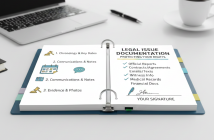
Step 1 — Document before you speak
Before raising any issue:
- save emails, notices, messages
- write down dates, names, and facts
- keep originals untouched
Documentation shifts power quietly.
Step 2 — Use neutral, non-accusatory language
Avoid:
- “You’re violating the law”
- “This is illegal”
- “I’ll sue”
Use:
- “Can you clarify…”
- “What policy applies here?”
- “Can you show me the notice requirement?”
This invites explanation instead of defense.
Step 3 — Choose the right channel
Assert rights through:
- HR or compliance (work)
- written notices or portals (housing/services)
- customer support escalation (consumer)
Private channels reduce public pressure—and retaliation risk.
Step 4 — Escalate in stages, not leaps
Move gradually:
- informal written request
- follow-up referencing policy or timeline
- formal complaint or notice
- legal action (last)
[Pro-Tip] Sudden legal threats often trigger retaliation; steady process deters it.
Table: Safe vs risky ways to assert rights
| Approach | Retaliation risk | Why |
| Calm written request | Low | Creates record |
| Neutral questions | Low | Non-confrontational |
| Public accusations | High | Triggers defensiveness |
| Emotional messages | High | Weakens credibility |
| Documented escalation | Low | Predictable process |
Asserting rights at work
Workplace-specific tips
- Keep communications factual and work-focused
- Reference policies, not personalities
- Avoid group complaints unless advised
Example script:
“I’d like clarification on the overtime policy applied last week. Can you confirm how it’s calculated?”
Asserting tenant or housing rights safely
Housing-specific tips
- Use written notices
- Reference dates, not emotions
- Avoid withholding rent unless legally advised
Example script:
“I’m requesting confirmation of the repair timeline under the lease. Please let me know the next steps.”
Information Gain (SERP gap): silence can be riskier than speaking
Most guides warn about retaliation—but ignore delay risk.
Counter-intuitive insight:
Waiting too long can weaken protection. Many laws protect people because they asserted a right. Quiet, early documentation often strengthens anti-retaliation claims.
Unique section: Beginner mistake most people make
Beginner mistake — asserting rights publicly first
Posting complaints publicly or confronting someone in front of others often escalates conflict.
Fix:
Start private, documented, and neutral. Go public only if strategy—not emotion—calls for it.
What to do if retaliation happens anyway
Respond, don’t react
- document the change immediately
- compare treatment before vs after assertion
- continue calm communication
Preserve timelines
Anti-retaliation protections often depend on timing—don’t let gaps form.
[Money-Saving Recommendation] Strong records can resolve retaliation claims without court.
Natural transition
People unsure about next steps often consult rights-check or legal guidance platforms to understand retaliation protections before escalating. The value lies in choosing the right move—not the loudest one.
Internal link
FAQs
- Can asserting my rights legally cause retaliation?
Retaliation is illegal in many contexts, but it can still happen—process matters. - What is the safest way to assert rights at work?
Document first, use neutral language, and follow internal channels. - Should I threaten legal action to stop retaliation?
Usually no—threats escalate conflict prematurely. - What counts as retaliation?
Any adverse action linked to your protected activity. - Do I need a lawyer to assert my rights?
Often no; many issues resolve with documentation and calm escalation. - What if retaliation already happened?
Document immediately and preserve timelines.
Conclusion
Learning how to assert your legal rights without retaliation is about strategy, not silence. When you document early, communicate neutrally, and escalate deliberately, you protect yourself while keeping options open. Rights work best when they’re exercised calmly—and backed by a paper trail.
Internal link
What to Do Before Contacting a Lawyer